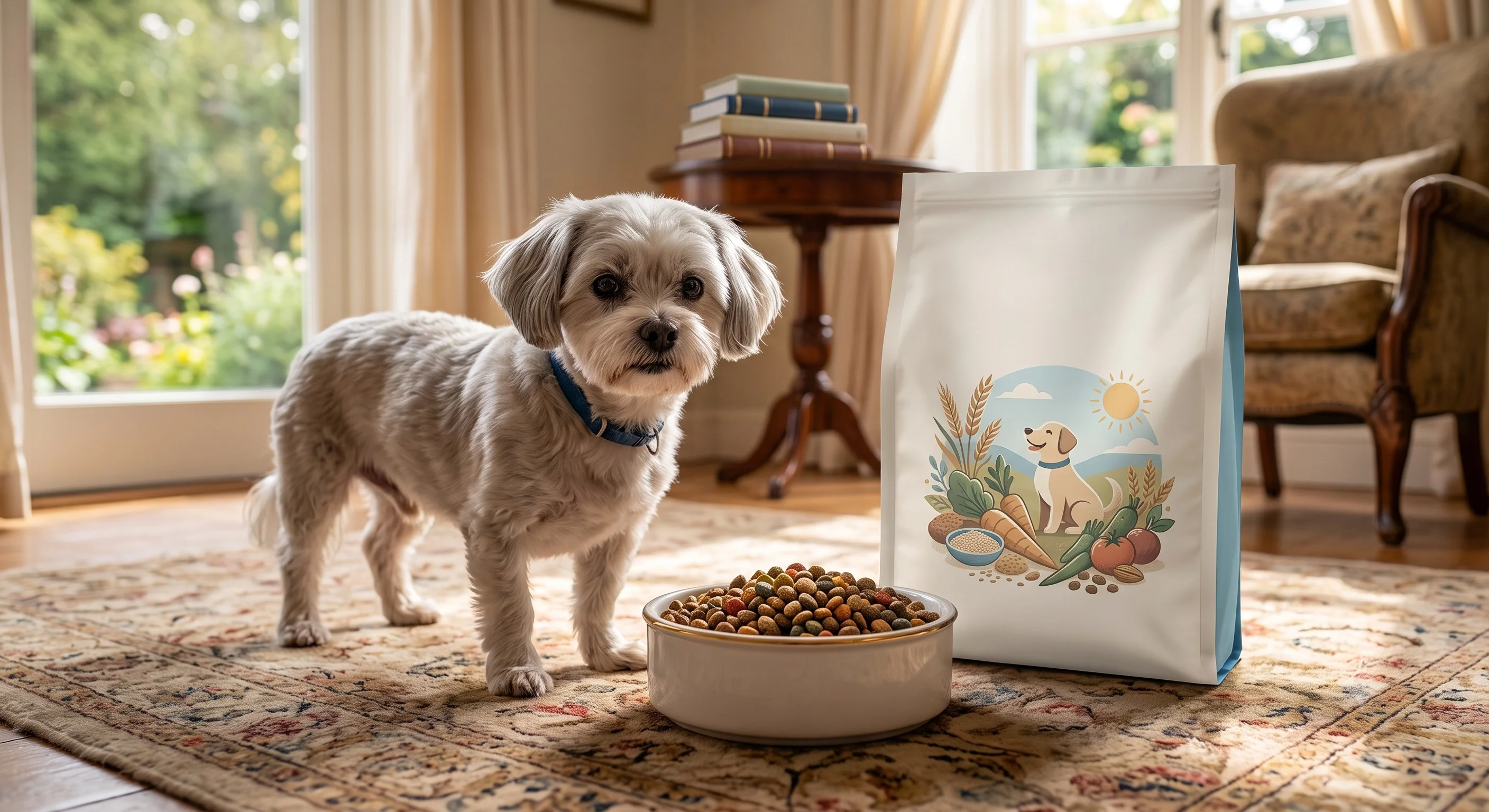
Best Dog Food for Small Senior Dogs: Top 6 Picks for Aging Small Breeds 2026
Quick Summary
Our expert verdict at a glance
Hill's Science Diet Senior Small Paws is the top pick for most aging small breeds, with proven nutrition for the specific changes small dogs experience after age 7.
Small dogs age later than large breeds — a 7-year-old Great Dane is geriatric, while a 7-year-old Chihuahua is just entering middle age. But small dogs do age, and when they do, their nutritional needs shift in important ways. Finding the best dog food for small senior dogs means understanding what’s actually changing in their bodies and what the food needs to address.
When Is a Small Dog Considered “Senior”?
Most veterinarians classify small breed dogs (under 20 lbs) as senior starting at 7–8 years. Toy breeds (under 10 lbs) often remain healthy and active into their early teens — many live to 14–16 years. By comparison, large breeds become seniors at 5–6 years.
This extended lifespan is great news, but it also means small dogs spend many years in the “senior” category. A 7-year-old Pomeranian and a 13-year-old Maltese have very different nutritional needs. The picks below span the entire senior range.
Signs your small dog is ready for a senior formula:
- Slowing down on walks, less enthusiastic about play
- Weight gain without increase in food
- Stiffness when getting up or going down stairs
- More sleep than usual
- Increased water consumption (may indicate kidney concerns)
Key Nutritional Changes for Senior Small Dogs
Lower calories: Senior small dogs have a slower metabolism and tend toward weight gain. Senior formulas typically provide 15–20% fewer calories per cup than adult formulas. Obesity in senior dogs accelerates joint deterioration and increases heart disease risk.
Joint support: Glucosamine and chondroitin sulfate are the most evidence-backed joint supplements for dogs. Look for formulas with glucosamine at 500–1000mg per day for small breeds. Many senior formulas include these — but always check the label for actual amounts.
Kidney health: Phosphorus processing becomes harder as dogs age, and excess dietary phosphorus can accelerate kidney disease in dogs with declining kidney function. Senior formulas moderate phosphorus levels. Dogs diagnosed with kidney disease need prescription diets with further phosphorus restriction — see your vet.
Cognitive support: Medium-chain triglycerides (MCTs from coconut oil or similar sources) have been shown in research to support brain function in aging dogs. Purina’s Bright Mind formula specifically uses MCT oil for this purpose.
Digestibility: Digestive efficiency decreases with age. Senior formulas often use more digestible protein sources and include prebiotics or probiotics to support gut health.
Protein — don’t cut it too much: Older dogs need quality protein to maintain muscle mass. The outdated advice to drastically reduce protein in seniors (unless they have diagnosed kidney disease) is no longer recommended. A healthy senior small dog should eat a minimum of 25% protein.
🐾 Pro Tip: Don’t wait for obvious signs of aging to switch to a senior formula. Many vets recommend transitioning small dogs to a senior food at 7 years, even if they seem perfectly healthy. Prevention is easier than management.
Top 6 Best Dog Foods for Small Senior Dogs
1. Hill’s Science Diet Senior Small Paws 7+ — Best Overall
Hill’s Senior Small Paws is the most consistently recommended senior small breed food for dogs 7 and older. The formula delivers 21.5% protein and 13.5% fat at 265 kcal/cup — appropriately lower in calories for slowing metabolisms.
Chicken is the first ingredient, and the formula includes vitamin E and beta-carotene as antioxidants for immune support. Phosphorus is moderated appropriately for kidney health, and the formula includes L-carnitine to help older dogs metabolize fat more efficiently.
The kibble is 8mm — the same size as adult Small Paws — so if your dog has been eating Hill’s Adult, the transition is essentially seamless in terms of texture and palatability.
2. Royal Canin Aging 12+ Small Dog — Best for Very Senior Dogs
Royal Canin’s Aging 12+ is a standout formula for truly elderly small dogs — those 12 and beyond. The formula is designed for dogs who may have decreased appetite, reduced chewing ability, and significantly slowed metabolism.
The protein (25%) is from highly digestible sources, and the fat content is lower (11%) to accommodate the reduced activity of very senior dogs. The kibble is softer than standard dry food — a deliberate choice for dogs who may have lost teeth or have dental sensitivity.
The formula also includes a specific fiber complex that addresses the constipation issues many very senior dogs experience.
3. Purina Pro Plan Bright Mind Small Breed 7+ — Best for Cognitive Support
Purina’s Bright Mind formula is the only product on this list specifically engineered for cognitive health in aging dogs. The key ingredient is enhanced botanical oils (a source of medium-chain triglycerides), which research shows can improve mental alertness in dogs 7 and older within 30 days.
If your senior small dog shows signs of canine cognitive dysfunction (confusion, disorientation, changed sleep patterns, “forgetting” house training), this is the first food to try before exploring prescription options. The formula delivers 30% protein and 16% fat — on the higher end for seniors, appropriate for active senior small dogs.
4. Blue Buffalo Mature Small Breed Adult — Best Natural Senior Option
Blue Buffalo Mature Small Breed uses deboned chicken as the first ingredient with no by-products, artificial preservatives, or colors. The formula delivers 24% protein, 13% fat, and 294 kcal/cup — appropriate for senior calorie needs.
The LifeSource Bits in this formula are specifically tuned for mature dogs, with higher antioxidant content and L-carnitine for weight management. At around $3/lb, it’s a reasonable price for the ingredient quality.
5. Wellness Complete Health Senior Small Breed — Best Grain-Inclusive Natural
Wellness Complete Health Senior Small Breed uses turkey and chicken as primary proteins (28% protein, 12% fat) and includes glucosamine (300mg/kg) and chondroitin for joint support. The formula uses whole grains (brown rice, barley) for sustained energy without blood sugar spikes.
The omega-3 content from fish oil and flaxseed supports both coat health and joint inflammation reduction — a double benefit for aging small dogs.
6. Iams ProActive Health Mature Small & Toy Breed — Best Budget Senior
Iams Mature Small & Toy is an underrated senior pick at around $1.75/lb. Real chicken first, 27% protein, 12.5% fat, 313 kcal/cup. It includes glucosamine for joint health and beet pulp for digestive health. Not the most exciting ingredients, but solid nutrition at an accessible price.
Wet Food Considerations for Senior Small Dogs
As small dogs age, wet food often becomes more appealing and more appropriate:
- Easier to chew for dogs with dental issues or missing teeth
- Higher moisture content supports kidney function (hydration matters more in seniors)
- More palatable for dogs with decreased appetite
Adding wet food as a topper (1–2 tablespoons per meal) rather than replacing dry completely gives the best of both — dental benefits from the kibble plus extra hydration and palatability from wet food.
For comprehensive options, see our best wet dog food for small dogs guide for pairing recommendations.
Frequently Asked Questions
Q: How do I know if my senior small dog needs a different food?
A: Signs it’s time to transition to a senior formula include: weight gain without more food, reduced activity, joint stiffness, increased sleep, and your dog reaching 7–8 years of age. Even without obvious symptoms, preventive senior nutrition is recommended at 7 years for most small breeds.
Q: What dog food is best for a senior small dog with joint problems?
A: Look for formulas with clinically relevant levels of glucosamine (at least 500mg per daily serving) and chondroitin. Hill’s Science Diet J/D (joint diet) is the prescription option with the most research. Over-the-counter, Purina Pro Plan Bright Mind and Wellness Complete Health Senior Small Breed both include glucosamine and omega-3s for anti-inflammatory support.
Q: Is high-protein food bad for senior small dogs?
A: Not for healthy seniors. The outdated belief that high protein damages kidneys in healthy dogs has been disproven. Quality protein at 25–30% is appropriate for healthy senior small dogs. Only dogs with diagnosed kidney disease need restricted protein, and that restriction should be prescribed by a vet.
Q: How much should I feed a senior small dog?
A: Most senior small breed formulas provide feeding guidelines on the bag. As a starting point, reduce adult portions by 15–20% for sedentary seniors. Weigh your dog monthly — if gaining weight, reduce portions further. If losing muscle mass (ribs visible), increase slightly or add a protein-rich topper. A 10-pound senior dog typically needs 200–240 calories per day.
Q: At what age should small dogs switch from senior to very senior food?
A: Around 12 years, consider transitioning to a formula designed for very senior dogs, like Royal Canin Aging 12+. By this age, most small dogs have decreased chewing ability, appetite changes, and significantly slower metabolism that benefits from the specific adjustments in very senior formulas.
Bottom Line
The best dog food for small senior dogs in 2026 addresses the full picture of aging: reduced calorie needs, joint support, kidney health, and cognitive function. Hill’s Science Diet Senior Small Paws is the strongest all-around pick for dogs 7–12 years. For dogs over 12, Royal Canin Aging 12+ delivers the soft texture and highly digestible protein that very senior small dogs need. If cognitive changes are a concern, Purina Pro Plan Bright Mind has the most research behind it.
Tagged in:
Get Weekly Small Dog Food Tips
Curated reviews, exclusive deals from Chewy, and breed-specific nutrition advice — delivered every Tuesday. Join 12,000+ small dog parents.
🔒 No spam, ever. Unsubscribe anytime with one click.