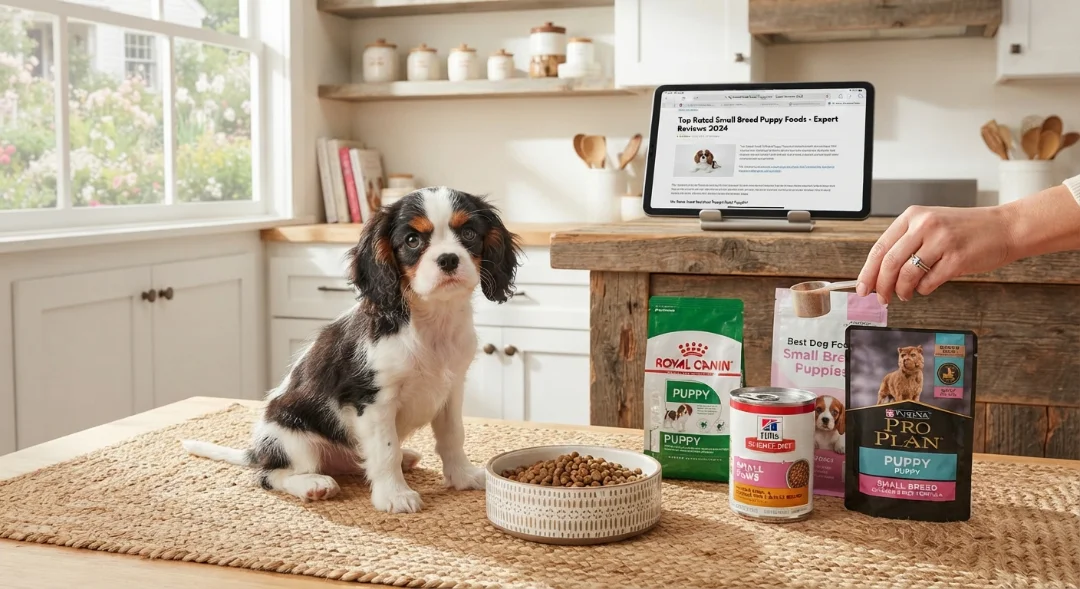
Best Dog Food for Small Breed Puppies: Top Picks for 2026
Quick Summary
Our expert verdict at a glance
Royal Canin Mini Puppy is our top pick for small breed puppies — perfectly balanced nutrition in a tiny-mouth-friendly kibble.
The first year of a small breed puppy’s life is critical. During this window, your puppy’s brain, bones, immune system, and digestive tract are developing at a remarkable pace — and the food you choose directly influences how well that development goes. Small breed puppies have different requirements than large breed puppies, and getting the nutrition right from day one sets the foundation for a long, healthy life.
Why Puppy-Specific Food Matters for Small Breeds
Adult dog food simply isn’t adequate for growing puppies. Here’s why:
Higher calorie needs per pound. A 3-pound Chihuahua puppy burning through explosive growth spurts needs significantly more calories per pound than an adult dog. Puppy foods are more calorie-dense to support this.
More protein and fat. Growing muscle, developing organs, and building a coat all require protein. Puppy foods typically run 28–32% protein, compared to 22–26% for adult foods. DHA-rich fats support brain development and vision.
Calcium and phosphorus ratios. This is critical: small breed puppies need balanced calcium-to-phosphorus ratios. Too much calcium (common in large breed formulations) can cause skeletal problems. Small breed puppy foods are formulated to hit the right window.
DHA for brain development. Look for fish oil or fish meal as a DHA source. Research shows that DHA supplementation in puppy food is associated with improved trainability and cognitive development.
When to Switch from Puppy to Adult Food
Small breeds reach adult size faster than large breeds — most are fully grown between 9 and 12 months of age. Once your puppy has reached their expected adult weight and stopped growing (your vet can confirm this), you can begin transitioning to an adult formula. Keeping a small dog on puppy food too long can contribute to weight gain and excess caloric intake.
Our Top Picks for Small Breed Puppies
1. Royal Canin Mini Puppy — Best Overall
Royal Canin designs their mini puppy formula specifically for dogs that will weigh under 22 pounds as adults. The kibble size is genuinely appropriate for tiny mouths — even a newborn Chihuahua-mix puppy can manage it once weaned. The formula includes:
- 30% protein from high-quality chicken and rice
- EPA and DHA from fish oil for brain and vision development
- Vitamin E and lutein to support immune development
- Highly digestible ingredients with a prebiotics blend for gut health
The palatability is excellent — picky small breed puppies who refuse other foods often accept Royal Canin Mini Puppy without issue. The price is higher than some alternatives, but the quality justifies it.
Best for: All small and toy breed puppies 2–10 months
2. Blue Buffalo Life Protection Small Breed Puppy — Best Value
Blue Buffalo’s puppy formula packs impressive nutrition into a mid-range price point. Deboned chicken is the first ingredient, the LifeSource Bits add antioxidants and vitamins, and the DHA from fish comes from actual fish oil rather than flaxseed (which dogs convert less efficiently). The formula is free from corn, wheat, and soy if those are concerns for your puppy.
Best for: Budget-conscious puppy owners, multi-dog households
3. Hill’s Science Diet Puppy Small Paws — Best Vet-Recommended
Hill’s Science Diet puppy food is based on decades of veterinary research and feeding trials. The Small Paws formula provides precise levels of calcium for bone development, antioxidants for immune health, and DHA from fish oil. It’s one of the most recommended puppy foods by veterinarians in the US, and the consistency of the formula means you can trust what’s in every bag.
Best for: First-time puppy owners who want vet-backed peace of mind
4. Merrick Lil’ Plates Puppy Plate — Best Grain-Free Option
For puppies with grain sensitivities (confirmed by a veterinarian, not assumed), Merrick Lil’ Plates offers a well-formulated grain-free option. The small kibble pieces are appropriate for puppies, real chicken is the first ingredient, and the formula includes DHA and ARA for development. Note: discuss the DCM (dilated cardiomyopathy) risk associated with grain-free diets with your vet before choosing this route.
Best for: Puppies with diagnosed grain sensitivities
Feeding Schedule for Small Breed Puppies
Unlike large breed puppies, small breeds are at risk for hypoglycemia (low blood sugar) if they go too long between meals. Here’s a general schedule:
- 8–12 weeks: 4 small meals per day
- 3–6 months: 3 meals per day
- 6–12 months: 2–3 meals per day
- After 12 months: 2 meals per day (transition to adult food)
Always have fresh water available. Free-feeding (leaving food out all day) isn’t recommended for most puppies as it makes housetraining harder and can lead to overeating.
Breed-Specific Notes
Chihuahua Puppies
Chihuahua puppies are particularly prone to hypoglycemia due to their tiny size. Feed them 4 times per day until at least 12 weeks, and consider a formula with added sugars or honey if your puppy seems lethargic (but consult your vet first). Keep meal sizes small and consistent.
Yorkshire Terrier Puppies
Yorkies are prone to sensitive stomachs, so transition foods slowly (over 10–14 days) and choose highly digestible formulas like Hill’s or Royal Canin. If you notice loose stools or vomiting, check in with your vet before assuming it’s a food issue.
Pomeranian Puppies
Poms have thick double coats that require good nutrition to develop properly. Prioritize foods with omega-3 fatty acids (look for fish oil, not just flaxseed) and adequate protein. Royal Canin and Wellness CORE puppy are both excellent choices.
FAQ
Q: Can I give my small breed puppy treats?
Yes, but in moderation. Treats should make up no more than 10% of a puppy’s daily calorie intake. Choose small, soft treats appropriate for puppy teeth. Avoid rawhide and large bones, which can be choking hazards and can crack puppy teeth.
Q: My puppy is a picky eater. What should I do?
First, rule out medical issues — picky eating can sometimes signal dental pain, nausea, or illness. If your puppy is otherwise healthy, try warming the food slightly (mix in a small amount of warm water) to enhance the aroma. Avoid hand-feeding or adding excessive toppings, as this can reinforce picky behavior. Offer the food for 15–20 minutes, then remove it and try again at the next meal.
Q: How do I know if my puppy is getting enough to eat?
A healthy puppy should be alert, playful, and growing steadily. You should see gradual weekly weight gain (track it on a kitchen scale). At a healthy weight, you should be able to feel your puppy’s ribs without pressing hard. If you’re concerned about growth or appetite, your vet can assess weight gain against breed-specific growth charts.
Tagged in:
Get Weekly Small Dog Food Tips
Curated reviews, exclusive deals from Chewy, and breed-specific nutrition advice — delivered every Tuesday. Join 12,000+ small dog parents.
🔒 No spam, ever. Unsubscribe anytime with one click.