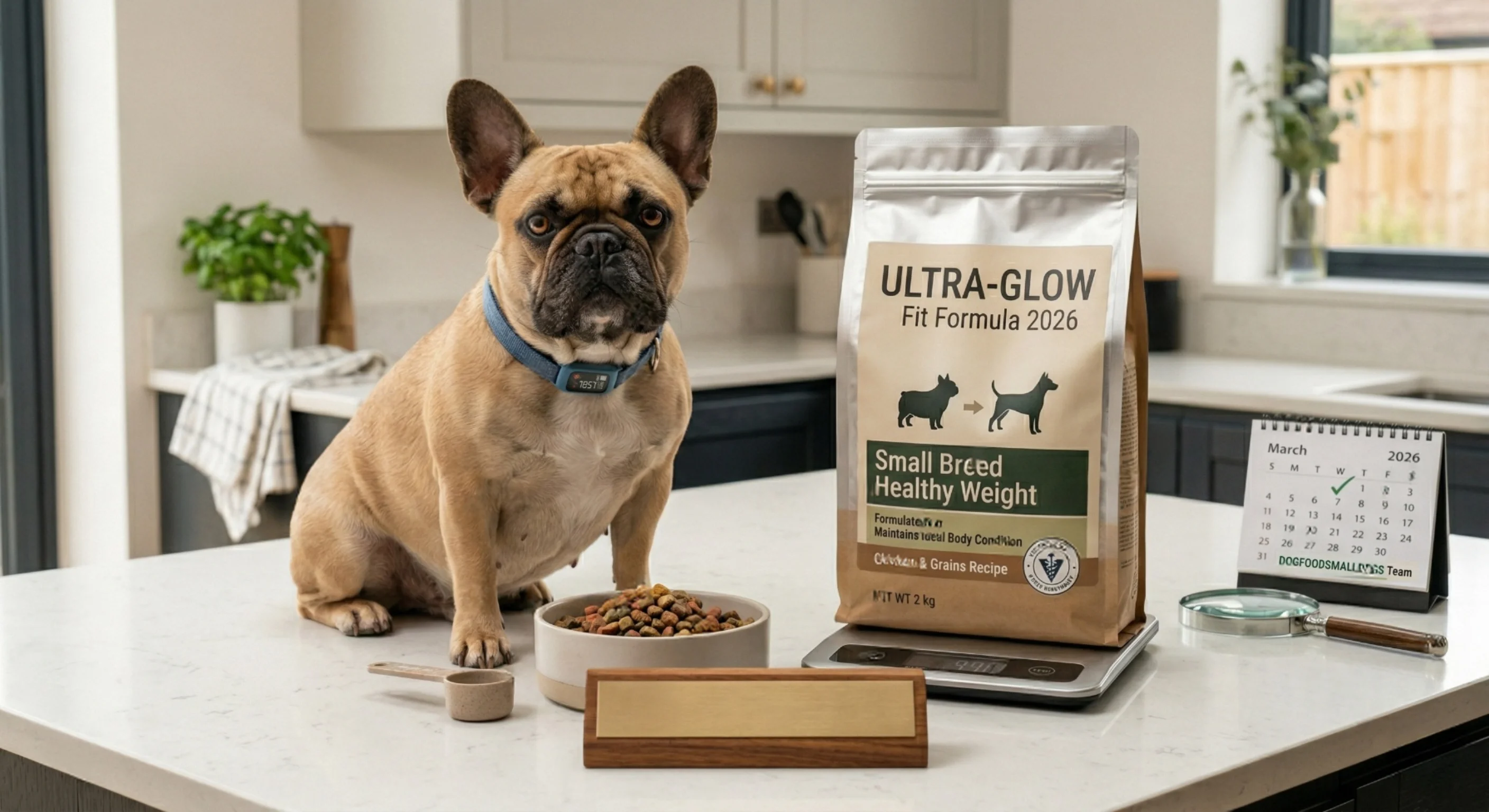
Best Dog Food for Overweight Small Dogs: Weight Management That Works 2026
Quick Summary
Our expert verdict at a glance
Hill's Science Diet Perfect Weight Small & Mini delivers the most clinically proven weight loss results for small breeds — in studies, 70% of dogs reached their ideal weight within 10 weeks.
More than 60% of dogs in the United States are overweight or obese, according to the Association for Pet Obesity Prevention — and small breed dogs are among the most affected. The reasons are predictable: their owners see tiny portions and add more, treats are given freely because “they’re so small it doesn’t hurt,” and many small dogs get carried more than walked.
The problem is that excess weight on a small dog is proportionally devastating. An extra pound on a 5-pound Chihuahua represents a 20% excess body weight — equivalent to a 150-pound person carrying an extra 30 pounds every moment of every day.
The Real Health Risks of Obesity in Small Dogs
Joint damage: Luxating patella (common in small breeds) becomes significantly worse under extra weight. The cartilage wears faster, pain increases, and surgical thresholds are reached sooner. Losing even half a pound in a 5-pound dog meaningfully reduces joint stress.
Diabetes mellitus: Obese dogs are at significantly higher risk of insulin resistance and Type 2-equivalent diabetes. Management is challenging, expensive, and permanent once developed.
Heart disease: Extra weight increases the workload on the heart. Small breeds already have elevated rates of mitral valve disease as they age — obesity accelerates the timeline.
Respiratory difficulty: Excess chest and abdominal fat compresses the lungs. For brachycephalic breeds (Pugs, Shih Tzus, Bulldogs), extra weight directly worsens their already-compromised breathing.
Shortened lifespan: Multiple large studies show that dogs maintained at ideal body weight live 1.8–2.5 years longer than their overweight counterparts.
How to Tell If Your Small Dog Is Overweight
Small dogs are easy to misjudge visually — fluffy coats hide weight gain, and owners often normalize gradual changes. Use body condition scoring:
Ideal (BCS 4–5/9): Ribs easily felt with gentle pressure, not visible. Waist visible from above. Slight abdominal tuck from the side.
Overweight (BCS 6–7/9): Ribs felt with firm pressure only. Waist barely visible or not visible from above. No abdominal tuck.
Obese (BCS 8–9/9): Ribs extremely difficult to feel. No waist. Abdomen rounded or pendulous.
Run your hands along your dog’s ribcage with gentle pressure. If you can’t feel individual ribs easily, your dog needs to lose weight.
The RER Formula: How to Calculate Calorie Needs
Resting Energy Requirement (RER) is the baseline calories a dog needs at rest. From there, you adjust for activity level:
RER formula: 70 × (body weight in kg)^0.75
For a 5-pound dog (2.27 kg):
- RER = 70 × (2.27)^0.75 = 70 × 1.85 = 130 calories
For weight loss, feed at RER without the activity multiplier — this creates a caloric deficit while meeting basic metabolic needs.
For a practical shortcut: target 20–25% fewer calories than your dog currently eats, and monitor body condition every 2 weeks. Adjust up or down based on rate of loss.
Safe weight loss rate: 1–2% of body weight per week. For a 10-pound dog, that’s 0.1–0.2 lbs per week. Faster loss risks muscle wasting and nutritional deficiency.
🐾 Pro Tip: Never just cut portions of your dog’s regular food to create a caloric deficit. Regular food is formulated for the standard serving amount — cutting it significantly means your dog also gets less of the vitamins, minerals, and other nutrients they need. Switch to a weight management formula specifically engineered to maintain nutritional completeness at reduced calorie levels.
Why Regular Food at Smaller Portions Doesn’t Work
This is the most common mistake overweight small dog owners make. They simply feed less of the regular food. The problem: regular maintenance formulas are calibrated for normal portions. Cut the portion by 30% and you’re also cutting vitamins and minerals by 30%, which over weeks causes deficiencies.
Weight management formulas solve this by:
- Reducing calories through higher fiber content (fiber adds volume without calories)
- Adding L-carnitine to support fat metabolism
- Maintaining full vitamin and mineral levels at the reduced serving size
- Using higher protein levels to preserve lean muscle during fat loss
Top 4 Best Dog Foods for Overweight Small Dogs
1. Hill’s Science Diet Perfect Weight Small & Mini — Best Clinically Proven
Hill’s Perfect Weight is the most evidence-backed weight loss food for small dogs commercially available. In a clinical study, 70% of dogs reached their ideal body weight within 10 weeks — that’s a remarkable success rate for a dietary intervention.
The formula uses high-quality chicken protein (25%) with very high fiber (10%+) to create satiety without excess calories. At 261 kcal/cup — significantly below the 350–400 kcal/cup of standard small breed food — the caloric reduction is built in.
L-carnitine is included to support fat mobilization while preserving lean muscle. The formula is also palatable — a challenge with weight management foods that dogs often resist.
2. Royal Canin Weight Care Small Dog — Best for Satiety
Royal Canin Weight Care includes a high-fiber complex (psyllium, cellulose) designed specifically to extend satiety — keeping small dogs feeling fuller between meals. This is important because small dogs eating weight management food often act “starving” between meals, leading owners to add more food or treats.
The formula delivers 21% protein, 9.5% fat (very low), at 295 kcal/cup. The extreme fat reduction requires discipline about not supplementing with high-fat treats or toppers.
3. Purina Pro Plan Weight Management Small Breed — Best for Muscle Preservation
Purina Pro Plan Weight Management maintains the brand’s signature high-protein approach (30% protein) even in the weight management formula. This is important because many weight management foods reduce protein alongside fat, risking muscle loss during weight reduction.
Real chicken first, 9% fat (low), 318 kcal/cup. The relatively high protein at low fat is the ideal formula for dogs who need to lose fat while preserving or building lean muscle mass.
4. Blue Buffalo Healthy Weight Small Breed — Best Natural Weight Management
Blue Buffalo Healthy Weight Small Breed uses deboned chicken first with 25% protein and 9% fat at 336 kcal/cup. No artificial additives, high fiber from peas and dried vegetables to extend satiety.
The formula includes L-carnitine and cranberries for antioxidant support. At around $3/lb, it’s priced fairly for the ingredient quality in the weight management category.
Exercise Recommendations for Overweight Small Dogs
Diet alone is most of the battle, but exercise accelerates results and improves metabolic health:
- Daily walking: Two 15-minute walks per day is achievable for most overweight small dogs. Increase duration by 5 minutes per week as fitness improves.
- Mental stimulation: Puzzle feeders replace free bowl feeding and extend mealtime while engaging the brain. Slow feeder bowls prevent gulping.
- Avoid high-impact activity: Until weight is reduced, avoid extended running on hard surfaces — extra weight increases joint impact.
- Play sessions: 10–15 minute indoor play sessions (fetch, chase, tug) burn calories without joint stress.
Treat Management During Weight Loss
Treats are the most common sabotage point for small dog weight management. Even “tiny” treats add up:
- 1 milk bone biscuit (small) = ~25 calories = 12% of a 5-lb dog’s daily intake
- 1 small piece of cheese = ~30 calories = 15% of a 5-lb dog’s daily intake
- 1 small dog treat = ~15–35 calories
During weight loss, switch to:
- Carrot sticks or green beans (5 calories each)
- Small pieces of the diet kibble used as treats
- Blueberries (1–2 calories each)
Count treats toward daily calorie budget. Apps like Dog Food Advisor’s calorie calculator or My Fitness Pal (yes, some owners use it for their dogs) help with tracking.
For more on calorie needs across small breed life stages, see our complete small breed nutrition guide.
Frequently Asked Questions
Q: How do I get my overweight small dog to lose weight?
A: Switch to a weight management formula (not just less regular food), calculate target calories using the RER formula, add two 15-minute walks daily, and eliminate all high-calorie treats. Weigh your dog every 2 weeks and aim for 1–2% body weight loss per week. Get a vet check first to rule out hypothyroidism, which causes weight gain and responds to medication rather than diet alone.
Q: Is it normal for small dogs to be chubby?
A: It’s common but not normal. Many small breed owners normalize their dog’s excess weight because it happens gradually. Over 60% of US dogs are overweight — it’s become the new normal. But the health consequences are real: joint disease, diabetes, and shortened lifespan are all directly linked to obesity.
Q: How long does it take for a small dog to lose weight on a weight management food?
A: With consistent feeding of a weight management formula and calorie reduction, most overweight small dogs lose 0.5–1% body weight per week. A 10-pound dog aiming to reach 8 pounds (losing 2 lbs) would take approximately 8–16 weeks. Hill’s Perfect Weight demonstrated 70% of dogs reaching ideal weight within 10 weeks in clinical trials.
Q: Can I feed my overweight small dog less of their regular food instead of switching?
A: Not recommended. Regular food at reduced portions creates vitamin and mineral deficiencies because the food is calibrated for standard serving sizes. Weight management formulas maintain full nutritional completeness at lower calorie levels. If you insist on using regular food, supplement with a veterinary-recommended multivitamin — but the specialized formula is the better approach.
Q: How many calories should an overweight small dog eat per day?
A: Calculate RER (70 × weight in kg to the 0.75 power) and use that as the daily calorie target during weight loss — no activity multiplier. For a 12-pound dog aiming to reach 10 pounds, target around 200–220 calories daily. Use the current healthy target weight, not the actual current weight, for the calculation — it better reflects calorie needs during the loss phase.
Bottom Line
Managing weight in small dogs requires a genuine food change — not just portion reduction. The best dog food for overweight small dogs is Hill’s Science Diet Perfect Weight Small & Mini for its clinically demonstrated results, or Purina Pro Plan Weight Management for owners who want to preserve maximum muscle protein during fat loss. Combine the right food with daily exercise, smart treat choices, and monthly body condition checks. At 1–2% weight loss per week, most overweight small dogs can reach their ideal weight in 2–4 months — genuinely improving their quality of life and potentially adding years to their lifespan.
Tagged in:
Get Weekly Small Dog Food Tips
Curated reviews, exclusive deals from Chewy, and breed-specific nutrition advice — delivered every Tuesday. Join 12,000+ small dog parents.
🔒 No spam, ever. Unsubscribe anytime with one click.